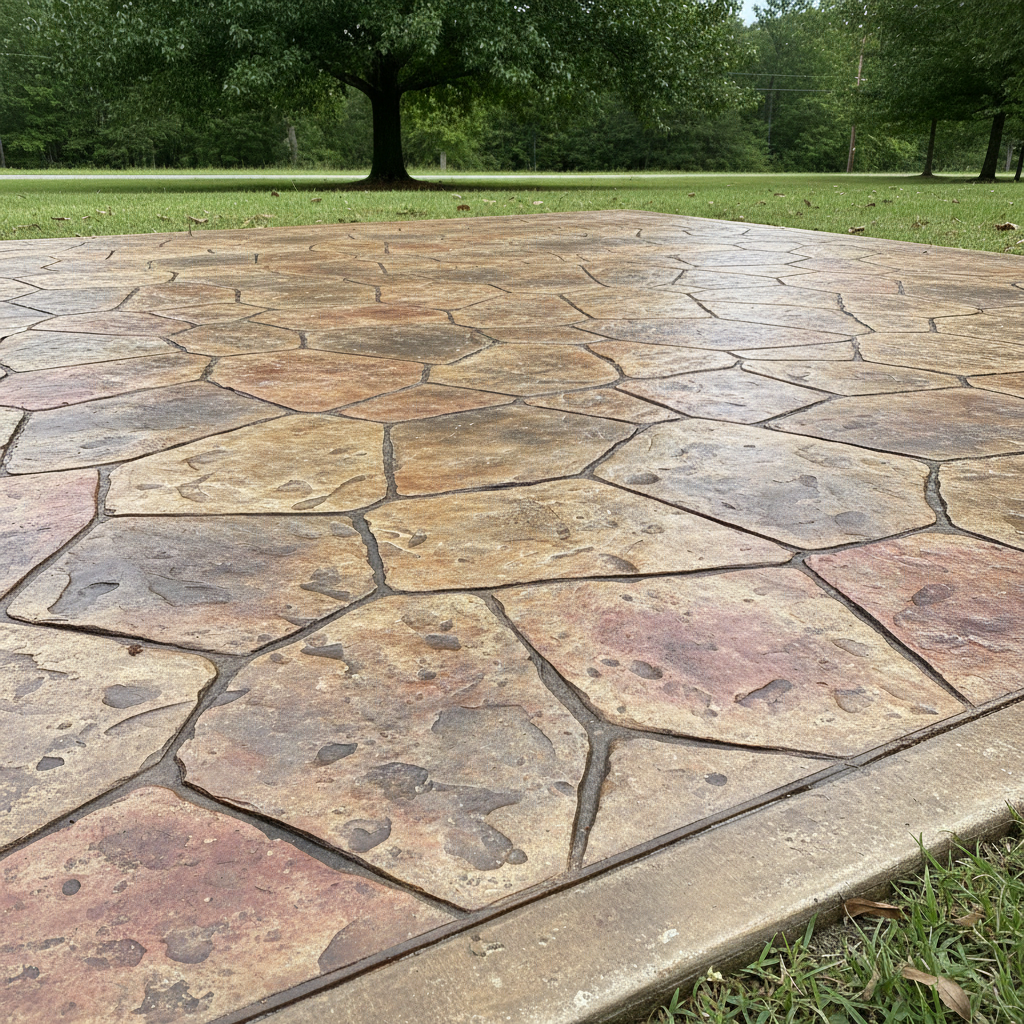
You're probably seeing stamped concrete everywhere these days, and for good reason, too. It's a fantastic way to get the look of natural stone, brick, or wood without the hefty price tag or all those maintenance headaches. But if you're thinking about adding it to your Athens, AL property — maybe for a patio, walkway, or even a driveway — there are some things you really need to understand before you jump in.
Before You Start: Planning & Expectations
First off, stamped concrete isn't a weekend DIY project for most folks. I've seen plenty of homeowners try to tackle it themselves, especially after watching a few YouTube videos, and let me tell you, it rarely ends well. This isn't like painting a wall; it's a permanent fixture that needs to look good and last.
What you can do yourself is a lot of the planning. Think about:
- Where it's going: A patio? A path around the house? A driveway? The way you plan to use it impacts the concrete's thickness and reinforcement.
- The look you want: There are tons of patterns and colors out there. Do you want something that mimics flagstone, brick, or maybe even wood planking? What color scheme fits your house best?
- Drainage: This is huge, especially with our heavy rains here in Athens. You absolutely have to make sure water will drain away from your house, not towards it. This often means properly grading the ground before any concrete gets poured.
- Your budget: Get a realistic idea of what this project will cost. Stamped concrete is an investment, sure, but a good one that adds value and curb appeal.
For most homeowners, especially for anything larger than a small stepping stone, calling a professional for the pour itself is non-negotiable. We've got the specialized tools, the experience, and the crew to get it done right, on time, and without a huge mess. Plus, we know how to deal with things like our local red clay soil, which can be tricky if not handled correctly.
During the Project: What to Expect
Once you've decided on a contractor (hopefully Sunrise Concrete Solutions, wink wink), here's a general idea of what's going to happen. Communication is key here, so don't be afraid to ask questions.
- Preparation: The crew will prepare the site. This means excavating, grading the ground for proper drainage, and laying down a base material like gravel. They'll also set up forms to define the shape of your concrete. This is a critical step; a bad base means bad concrete.
- Pouring the Concrete: The concrete truck arrives, and the crew pours the concrete. This needs to happen quickly and efficiently.
- Coloring and Stamping: This is where the magic happens. While the concrete is still wet, they'll apply a color hardener (if you chose one) and then use large, flexible mats to press the pattern into the surface. This is a time-sensitive process; the concrete has to be at just the right consistency.
- Curing: After stamping, the concrete needs to cure. This usually involves keeping it moist for several days to a week. Don't walk on it or put anything heavy on it during this time.
- Sealing: Once cured, the concrete will be cleaned and then sealed. The sealer protects the surface, enhances the color, and makes it easier to clean.
Your role during this phase is mostly to stay out of the way, ask questions if you have them, and make sure you're happy with the progress. A good contractor will keep you in the loop.
After the Project: Maintenance & Care
Okay, so your beautiful new stamped concrete is in, cured, and sealed. Now what? The good news is, maintenance is pretty straightforward, and this is where you, the homeowner, can really shine.
- Regular Cleaning: Sweep off debris regularly. For a deeper clean, use a hose with a spray nozzle and a mild detergent. Avoid harsh chemicals or pressure washers set too high, as they can damage the sealer.
- Re-sealing: This is the most important maintenance task. Depending on traffic and exposure to the elements (and our strong Alabama sun), you'll want to re-seal your stamped concrete every 2-3 years. This protects the color and the concrete itself. It's a job you can definitely do yourself if you're comfortable. Just make sure the surface is clean and dry, and apply a good quality sealer according to the manufacturer's instructions.
- Winter Care: While we don't get super harsh winters here in Athens, ice can still be an issue. Avoid using rock salt or de-icers containing ammonium nitrates or sulfates, as these can damage concrete. Sand is a safer bet for traction.
- Watch for Cracks: Concrete cracks. It's a fact of life, isn't it? Hairline cracks are usually nothing to worry about. Larger cracks might indicate a deeper issue, but often they're just cosmetic. If you're concerned, give us a call, and we can take a look.
Stamped concrete is a fantastic investment that adds beauty and value to your home. With proper planning and a little routine care, it'll look great for decades. Don't hesitate to reach out if you've got questions or are ready to get a quote!