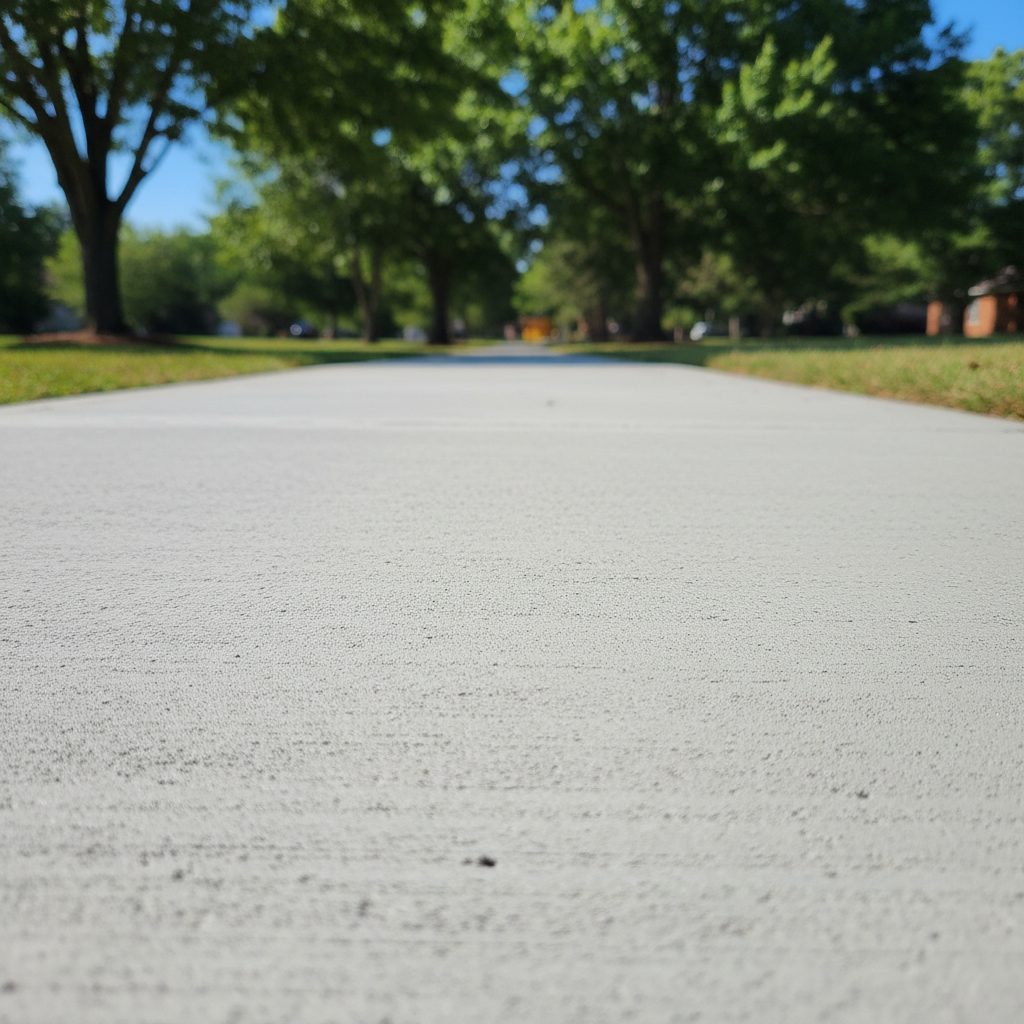
I get a lot of questions about concrete sidewalks here in Athens, and it's usually when folks start noticing cracks or other issues. It's not just about how things look, you know? A solid sidewalk also means safety and helps your property value. So, let's dive into some of the most common questions people ask me about their concrete walkways.
How long should a concrete sidewalk last?
A well-installed concrete sidewalk – I mean, one done right with good materials and proper curing – should easily last 20 to 30 years. Sometimes even longer! I've actually seen sidewalks in some of the older Athens neighborhoods, like around the historic district, that are still holding up pretty well after 50 years; sure, they might show their age a bit. The real secret is how it's poured. If the base isn't prepared correctly, or if the concrete mix is poor, or if it doesn't get enough time to cure, you'll definitely see problems a lot sooner. Things like heavy vehicle traffic (yes, even though it's a sidewalk, people sometimes drive on them), pesky tree roots, and our local freeze-thaw cycles can shorten that lifespan too. But generally, you should expect decades of use.
What causes sidewalks to crack, and can I prevent it?
Cracks are the bane of every concrete owner's existence, aren't they? There are a few main culprits. First, settlement. If the ground underneath isn't compacted properly, or if a lot of moisture washes away soil, the slab can sink and crack. Second, tree roots. We've got a lot of beautiful, mature trees in Athens, and their roots are incredibly powerful. They'll lift and crack concrete as they grow. Third, our weather. Those hot summers and cold winters, especially when we get a good freeze, cause the concrete to expand and contract. Without proper expansion joints, it's going to crack to relieve that stress. Fourth, heavy loads. Driving a car over a sidewalk designed for foot traffic is a surefire way to crack it. Look, you can't prevent every single crack, but you can definitely minimize them. Just make sure the sub-base is well-prepared and compacted, use control joints spaced correctly, and consider root barriers if you're pouring near large trees. Good drainage around the sidewalk helps a lot too.
My sidewalk is uneven. Can it be repaired, or does it need replacement?
This is a common one, especially with our clay soils here in North Alabama. An uneven sidewalk is a trip hazard, plain and simple. Whether it needs repair or replacement really depends on how bad it is and what caused it. If it's just a section or two that's settled, concrete leveling (sometimes called 'mudjacking' or 'slab jacking') can often lift it back into place. This involves drilling small holes and pumping a material underneath to raise the slab. It's usually quicker and less expensive than a full replacement. However, if the concrete is severely cracked, crumbling, or if the underlying issue (like a massive tree root) can't be fixed without removing the slab, then replacement is probably the better, longer-term solution. I always recommend having a pro look at it to give you an honest assessment. Sometimes a repair is just kicking the can down the road, you know?
Do I need to seal my concrete sidewalk?
You bet you do. I always tell folks that sealing your concrete is like putting sunscreen on your skin or a clear coat on your car. It protects it. A good quality sealer will repel water, oil, and other stains, making it easier to clean. More importantly for our climate, it helps protect against those freeze-thaw cycles I mentioned earlier. When water seeps into unsealed concrete and then freezes, it expands, causing internal stress that leads to spalling (flaking) and cracking. Sealing helps prevent that. It also protects against UV damage, which can fade colored concrete. I usually recommend sealing a new sidewalk within a month or two of pouring, and then re-sealing every 2-5 years, depending on the sealer type and how much traffic it gets. It's a small investment that pays off big time in longevity and appearance.
What about drainage? Does my sidewalk need to slope?
Absolutely, yes. Proper drainage is crucial for any concrete flatwork, and that includes sidewalks. You definitely don't want water pooling on or next to your sidewalk. Standing water can seep underneath, erode the sub-base, and lead to settlement and cracking. Plus, it creates slick spots in winter. A sidewalk should always have a slight slope, usually about 1/8 to 1/4 inch per foot, directing water away from your house or any structures. It should go to a suitable drainage area like a lawn or a storm drain. This is called 'positive drainage.' If your sidewalk is flat or slopes towards your foundation, you're just asking for trouble down the line. When we pour a sidewalk at Sunrise Concrete Solutions, we always make sure the grade is correct to ensure water runs off properly.
Can I put de-icing salts on my concrete sidewalk in winter?
This is a tricky one, and the short answer is: be very careful. Many de-icing salts, especially those containing ammonium nitrate or ammonium sulfate, can be really damaging to concrete. They can cause spalling and deterioration, even on sealed concrete. Rock salt (sodium chloride) is generally less damaging than some others, but it can still be hard on concrete, especially newer concrete that hasn't fully cured, or if you apply it excessively. The best options are usually sand for traction, or calcium chloride-based de-icers, which are generally considered safer for concrete, though still use them sparingly. Better yet, just get out there with a shovel! If you must use de-icers, always read the label carefully and avoid anything with ammonium compounds. And never, ever use them on concrete that's less than a year old.