Alright, let's talk patios. I get a lot of questions about concrete patios from folks right here in Athens. It's a popular choice for good reason – durable, versatile, and they can look fantastic. But there's also a lot of misinformation floating around. So, I figured I'd tackle the most common questions I hear, straight up, no fluff.
How long does a concrete patio actually last in Athens, AL?
A concrete patio, if it's installed well by a real pro, should easily last you 20 to 30 years. Maybe even more, honestly. I've seen some that are pushing 40 and still holding up just fine. The trick here is 'well-installed.' That means proper ground preparation, the right concrete mix for our local climate (we get those hot summers and occasional freezes, right?), and good curing practices. If someone cuts corners on any of that, you're looking at a much shorter lifespan and, let's be real, a headache down the road. Cleaning it regularly and sealing it every few years will also make a big difference, protecting it from our local humidity and UV rays.
What's the real cost of a concrete patio per square foot around here?
This is probably the number one question, and it's tough to give just one number because it changes so much. Generally, for a basic, broom-finish concrete patio in Athens, you're looking at anywhere from $6 to $12 per square foot. But that's just the starting point. If you want decorative options like stamped concrete that mimics stone or brick, or if you're going for a colored or stained finish, that price can jump to $12-$20 per square foot, sometimes even higher for really intricate designs or premium finishes. Things like how easy it is to access the site, how much grading or demolition is needed, and the thickness of the slab also play a big role. Always get a detailed quote from a reputable contractor like us at Sunrise Concrete Solutions, so you know exactly what you're paying for.
Do concrete patios crack, and how can I prevent it?
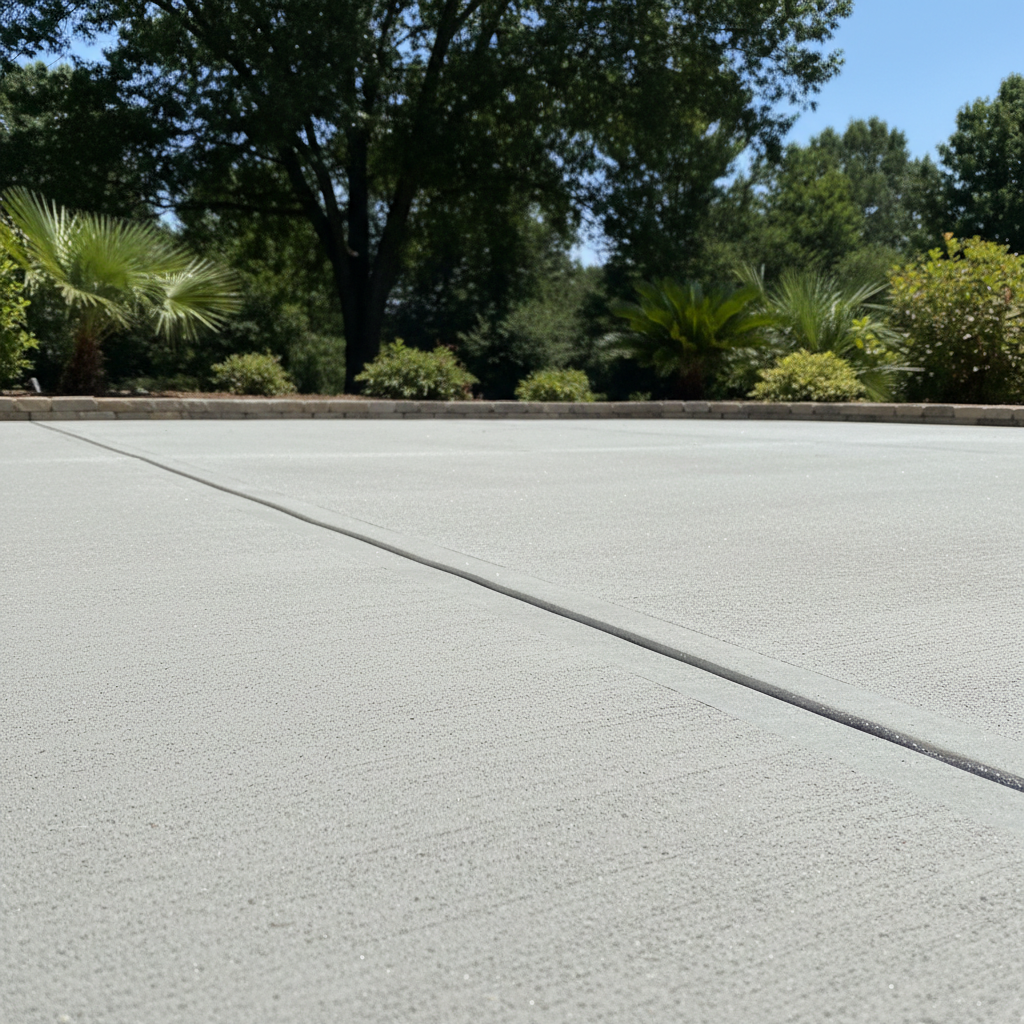
Yes, concrete cracks. It's not a matter of 'if,' but 'when' and 'how much.' Concrete expands and contracts with temperature changes, and it shrinks as it cures. The goal isn't to prevent all cracks, but to control where they happen. That's where expansion joints and control joints come in. We cut these joints into the slab at specific intervals, usually every 10-12 feet, to create weak points. This lets the concrete crack predictably and neatly along the joint lines. Proper sub-base preparation, making sure you have good drainage, and using the right concrete mix with appropriate reinforcement (like rebar or wire mesh) are also crucial. If you see cracks outside of these control joints, that's usually a sign of bigger issues, like a poorly prepared base or an improper mix.
How long does it take to install a concrete patio?
For an average-sized residential patio, say 200-400 square feet, the actual pouring and finishing usually takes one to two days. But that's not the whole story. You've got to factor in excavation and site preparation, which could take another day or two depending on the existing conditions. Then there's the curing time. You can typically walk on it lightly after 24-48 hours, but you really shouldn't place heavy furniture or have a big party on it for at least 7 days. For full strength, concrete takes about 28 days to cure completely. So, from start to finish, plan for a week or two for the whole process, including prep and initial curing, before you're really using it.
What kind of maintenance does a concrete patio need?
Honestly, concrete patios are pretty low maintenance, which is one of their big selling points. The main things you need to do are: clean it regularly, usually with just a hose and a stiff broom to remove dirt, leaves, and grime. For tougher stains, a mild detergent and a brush will usually do the trick. Just avoid harsh chemicals or pressure washers set too high, as they can damage the surface or sealant. The other big one is sealing. I recommend sealing your patio every 2-3 years, especially with our humid Athens weather. A good sealant protects against moisture, stains, and UV damage, keeping your patio looking good and extending its life. You'll know it's time to reseal when water no longer beads up on the surface.
Can I put a concrete patio directly over my existing grass or dirt?
Absolutely not. That's a recipe for disaster and one of the quickest ways to get cracks and an uneven patio. You can't just pour concrete on unprepared ground. The area needs to be properly excavated, graded to ensure good drainage away from your house, and then a compacted sub-base of gravel or crushed stone needs to be laid down. This sub-base provides a stable, uniform foundation for the concrete, helps with drainage, and prevents settling. Skipping this step is a huge mistake that will cost you more to fix later than it would have to do it right the first time.
Hopefully, this clears up some of those common questions you've got about concrete patios. If you're in the Athens area and thinking about adding one to your home, give us a call at Sunrise Concrete Solutions. We're happy to come out, take a look, and give you an honest assessment and quote.