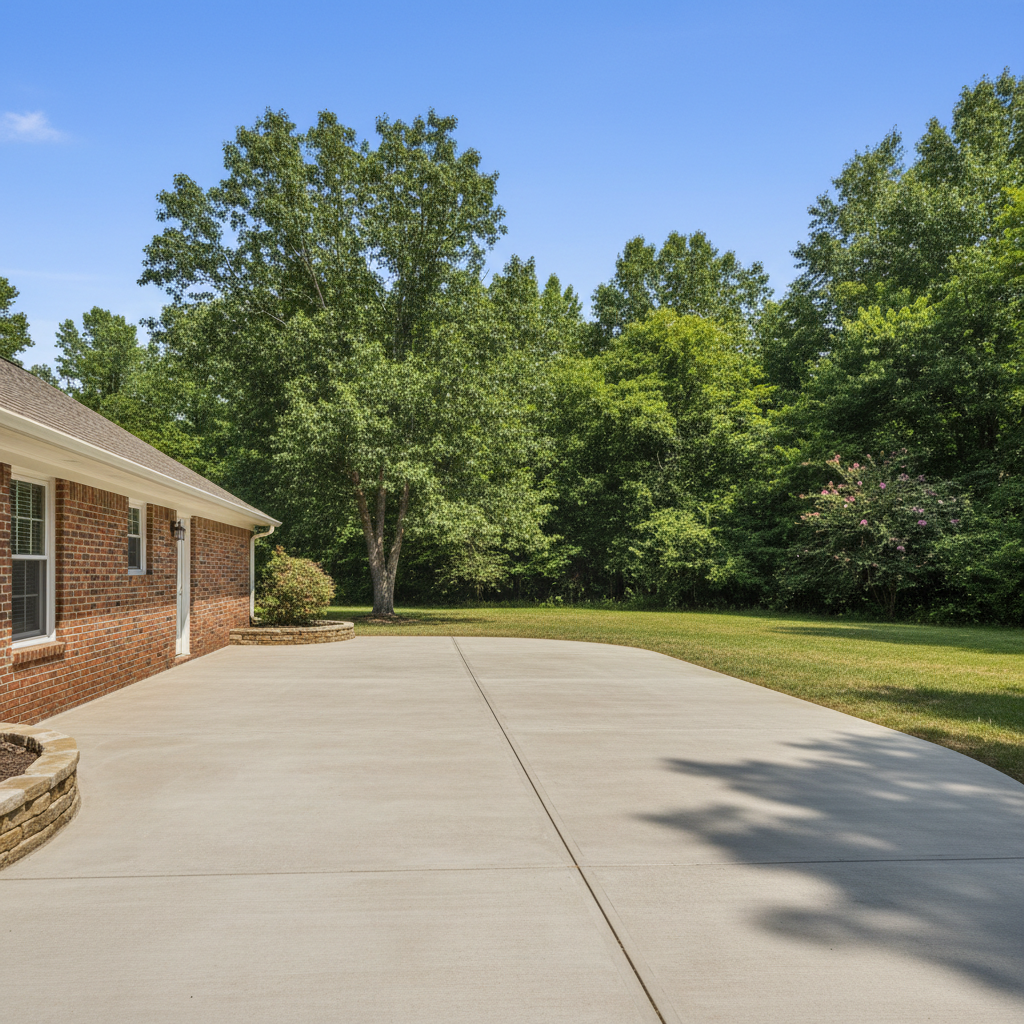
You're probably dreaming of a new patio, right? Something perfect for grilling, kicking back, maybe even a fire pit. That's a fantastic idea! A well-built concrete patio really adds a lot to any home. But, honestly, I've seen too many folks here in Athens — from the historic district to those newer subdivisions near I-65 — make some pretty big blunders when they're planning these projects or hiring someone. Let's chat about what you absolutely need to steer clear of.
Mistake #1: Only Looking at the Cheapest Price
Listen, I get it. Money's tight. Everyone wants a good deal. But when we're talking about concrete, the lowest bid is almost never the best one. Seriously, it's a giant red flag. A contractor who's way cheaper than everyone else? They're cutting corners somewhere. Maybe they're skimping on rebar, using thinner concrete, or just employing inexperienced labor. You'll definitely pay for it later, trust me. Cracks, uneven surfaces, bad drainage – you don't want to deal with that stuff a year or two down the road. Sure, get a few quotes, but make sure you're comparing apples to apples. Ask what's actually included. Find out about their process. If a deal sounds too good to be true, it probably is, wouldn't you agree?
Mistake #2: Skipping Out on Site Preparation
This is a huge one, especially with our clay soils around Athens. A concrete patio isn't just poured right on top of your existing dirt. It needs a really solid, well-compacted base. If a contractor just scrapes off a little topsoil and then starts pouring, you're headed for trouble. You absolutely need proper grading for drainage, plus a good, compacted aggregate base. This step stops settling, cracking, and water from pooling. It's like the foundation for your foundation, if that makes sense. Don't let anyone tell you it's not important. It's absolutely critical if you want your patio to last.
Mistake #3: Not Thinking About Drainage
Where's all that water going to go when it rains? This isn't just a question for your gutters, you know. Your patio needs to slope correctly, away from your house, and toward a good drainage spot. I've actually seen patios that sloped back toward the foundation, which caused water to collect and could really damage the house. Or others that created a brand-new pond right in the middle of the yard. A good contractor, like us at Sunrise Concrete Solutions, will consider the natural lay of your land and design the patio with proper drainage in mind. Don't just assume they will; ask them specifically how they plan to handle water runoff.
Mistake #4: Ignoring Expansion Joints
Concrete expands and contracts as the temperature changes. That's just what it does. If you don't give it room to move, it's going to crack. And that's exactly where expansion joints come in. They're not just there for looks; they're essential for controlling where those cracks happen. Sometimes I notice contractors skimp on these, or they put them in the wrong spots. You want well-placed, correctly installed expansion joints to protect your investment. It's a tiny detail, but it makes a huge difference in how your patio holds up over the years.
Mistake #5: Not Getting a Clear Contract
This one seems pretty obvious, but people still mess it up. You need absolutely everything in writing. Not just the price, but the full scope of work. What kind of concrete are they using? How thick will it be? What about rebar or wire mesh? How will they handle site cleanup? What's the timeline look like? What's the payment schedule? And what about warranties? If it's not written down, you can't just assume it's included. A reputable contractor will give you a detailed contract without you even having to ask. If they're vague or just want a handshake deal, walk away. Protect yourself and your home, okay?
Mistake #6: Forgetting About the Finish
A patio doesn't have to be just a plain gray slab of concrete, unless that's exactly what you're after. There are so many options for finishes these days – a broom finish for traction, stamped concrete for a decorative look, exposed aggregate, even staining. Don't just let them pour a plain slab if you really wanted something more. Talk about the finish upfront. Look at some samples. Understand what each option means for cost and maintenance. This is your patio; make sure it looks exactly the way you want it to.
Doing your homework and asking the right questions can save you a ton of headaches and money down the road. A good concrete patio should last for decades, so make sure you're setting yourself up for success right from the very beginning.