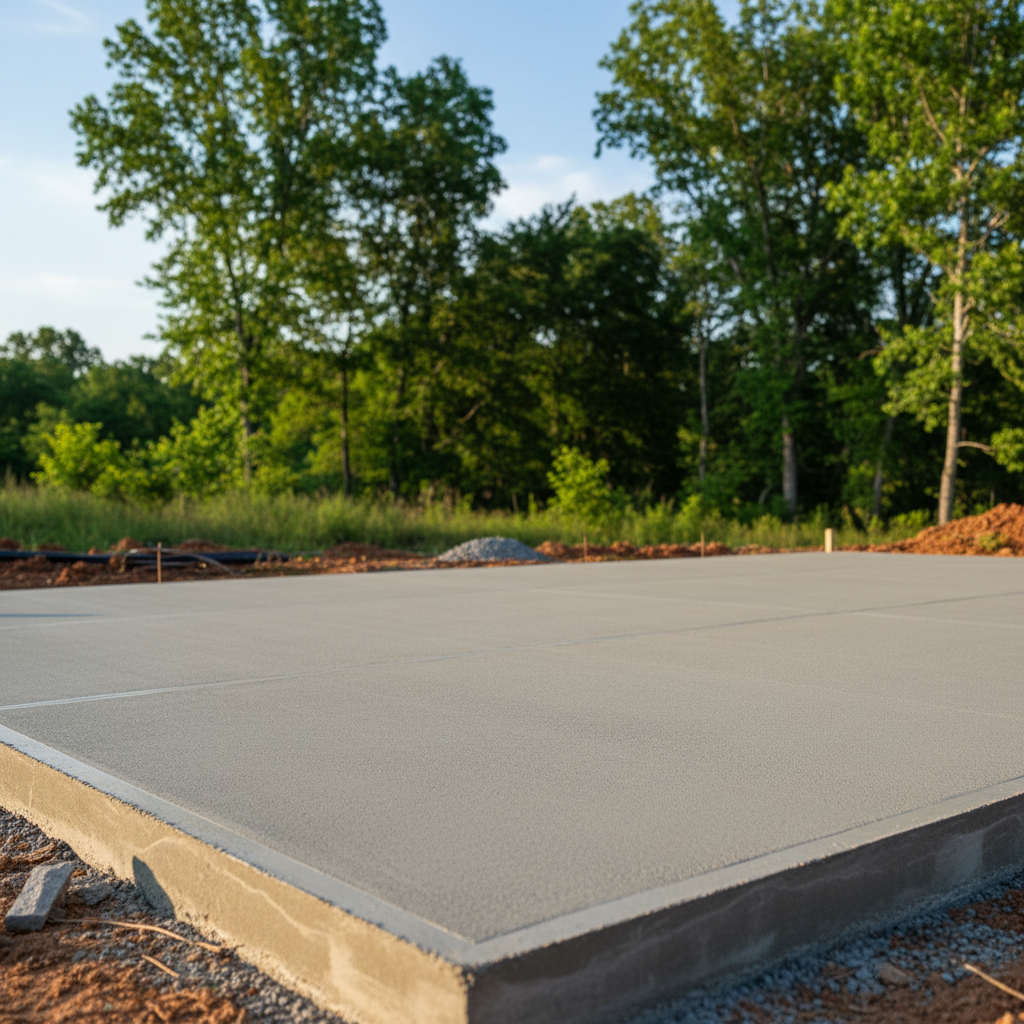
What's the difference between a slab foundation and a crawl space, and which is better?
Alright, let's get this straight first. A slab foundation is pretty much what it sounds like: a big, thick concrete slab poured right onto the ground. Your house just sits directly on top of it. A crawl space, though, means your house is built on a series of piers or a short wall, leaving a gap—the crawl space—between the dirt and your first floor. Neither one is really "better" than the other; it honestly just depends on a few things. Slabs are usually faster and cheaper to put in, and they're quite good at keeping out pests and moisture, assuming they're built correctly. But if you ever have plumbing problems under the house, getting to them can be a real nightmare. Crawl spaces offer easier access for repairs and can even give you a bit of insulation from the ground, making your floors feel a little warmer. The downside? They can be prone to moisture issues, mold, and critters if you don't seal and maintain them properly. Around Athens, especially in some of the older neighborhoods with those rolling hills, you'll spot a mix, but a lot of newer homes tend to go with slabs because of the cost and speed.
I've got a crack in my foundation. Is my house falling apart?
Deep breaths, folks. Not every crack means total disaster. Concrete cracks; that's just what it does. It shrinks as it dries, and it expands and contracts with temperature changes. Small, hairline cracks, especially around windows or corners, are often just cosmetic or settlement cracks. Usually, they're nothing to lose sleep over. What you really need to watch out for are cracks wider than a quarter-inch, cracks that run horizontally, or cracks that stair-step up your brick veneer. Also, if you notice one side of a crack is higher than the other, that's a definite red flag. If you're seeing those kinds of cracks, or if doors and windows are sticking, or your floors are sloping, then it's time to get a professional out there to take a look. Don't just ignore it, but please, don't panic over every little line you see.
How long should a concrete foundation last here in Alabama?
A well-built concrete foundation, if you take care of it, should last for centuries. No kidding. We're talking 100 years, 200 years, even longer. The concrete itself is incredibly tough. The biggest threats to how long it lasts aren't the material itself, but external stuff. Things like poor drainage around your house, expansive clay soils (which we definitely have in parts of Limestone County), tree roots, or big plumbing leaks can all cause problems that lead to foundation issues. If you manage the ground around your foundation—keeping water away, looking after your landscaping—the foundation itself will probably outlast the rest of the house.
What's the deal with drainage around my foundation? How important is it?
It's HUGE. Honestly, it's probably the most important thing you can do to protect your foundation. Water is the enemy. When water collects around your foundation, it can soak the soil, making it expand and push on your walls, or it can wash soil away, creating empty spaces. Both scenarios can lead to movement and cracking. You want your ground to slope away from your house at least six inches over the first ten feet. Make sure your gutters are clean and stretch at least five feet away from the foundation. If you have low spots or places where water just sits, you might need to think about French drains or regrading. Don't underestimate this; I've seen more foundation problems caused by bad drainage than almost anything else.
Can I really fix foundation problems, or is it a lost cause?
Most foundation problems can absolutely be fixed. It's rarely a lost cause, but it's not a DIY project, either. Depending on the issue, solutions can range from a simple crack injection for minor leaks to more involved methods like helical piers or push piers to stabilize and lift settling sections of the foundation. The key is getting an accurate diagnosis from a structural engineer or a reputable foundation repair company like Sunrise Concrete Solutions. They'll figure out the cause and recommend the right solution. Catching problems early makes them easier and cheaper to fix, so don't put off getting it checked out if you suspect an issue.
Should I worry about tree roots near my foundation?
You bet you should. Tree roots are powerful, and they're always looking for water. If a big tree is too close to your foundation, its roots can grow underneath and cause a couple of issues. First, they can physically push up on the slab or footings, leading to cracks and unevenness. Second, and often more commonly, they can suck a lot of moisture out of the soil, especially during dry spells. This can make the soil shrink dramatically, causing settlement and cracking as the foundation loses its support. If you have large trees within 10-15 feet of your house, it's definitely something to keep an eye on. Sometimes, a root barrier can help, or in some cases, careful root pruning or even removing the tree might be necessary to protect your home's foundation.