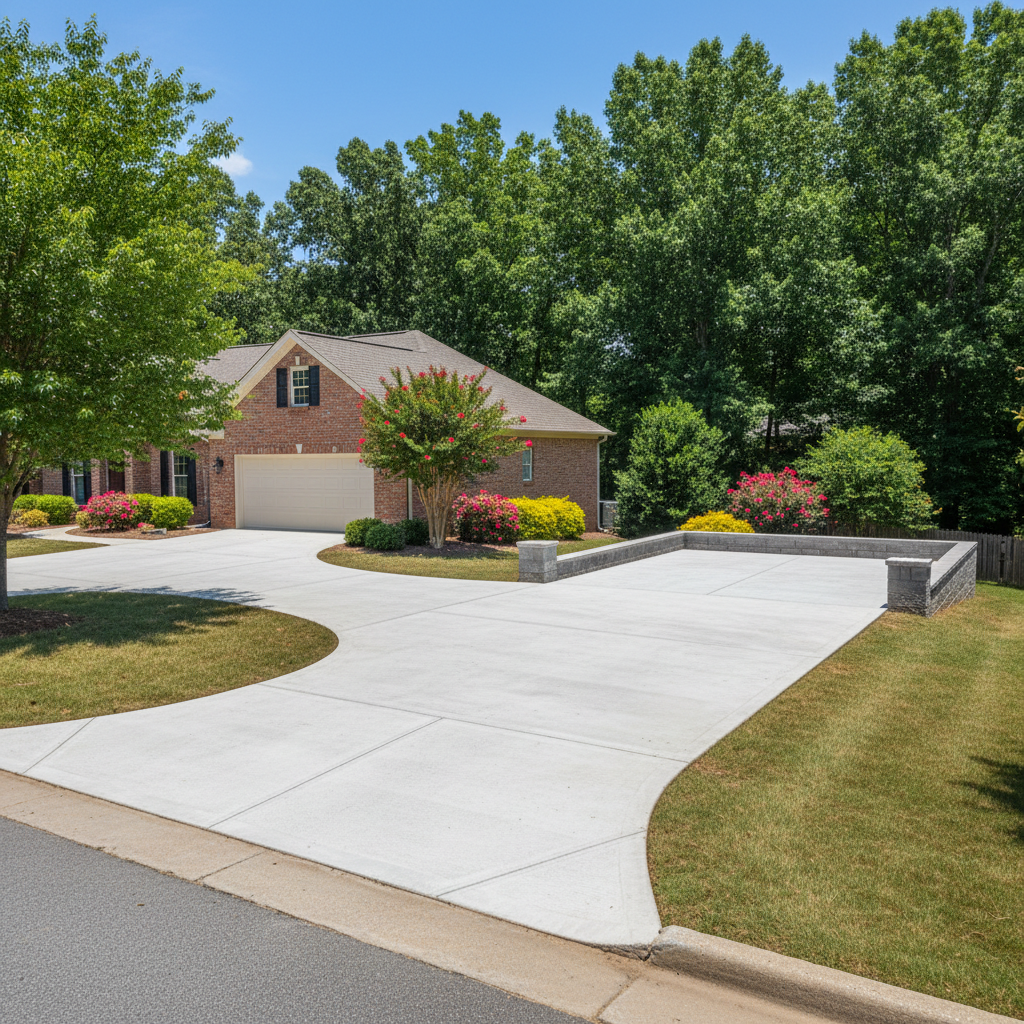
Alright, let's talk concrete. You're probably looking to get a new driveway, patio, or maybe a foundation poured right here in Athens, and you're wondering about the best time to tackle it, aren't you? It's not just about when your schedule opens up, you know; our local weather really dictates how well that concrete cures and, ultimately, how long it'll last. I've seen a lot of concrete jobs over the years, and I can tell you, timing and proper care are absolutely crucial.
So, When's the Best Time to Pour Concrete in Athens?
Honestly, spring and fall are your absolute best bets for concrete work around these parts. Why? It all comes down to temperature and moisture. Concrete needs to cure properly, and that process is super sensitive to extreme heat, extreme cold, and either too much or too little water. In spring, let's say March through May, we usually hit those perfect "Goldilocks" conditions: not too hot, not too cold. The ground isn't frozen solid like it is in winter, and we haven't yet gotten to the brutal humidity and scorching sun of July and August. Thank goodness for that, right?
Fall, from September through November, is another prime window. The summer heat has finally broken, and the ground temperatures tend to be pretty stable. You avoid those sudden, hard freezes of deep winter, which can really mess up a fresh pour. What you definitely want to avoid is pouring when it's super hot – think 90 degrees and up. The water in the mix evaporates way too fast, often leading to cracking and a weaker slab. And pouring when it's freezing, or when temperatures are expected to drop below 40 degrees Fahrenheit within 24-48 hours, is a big no-no. Water expands when it freezes, and that can cause major damage to uncured concrete.
Weather Conditions That Really Affect the Job
Beyond just the temperature, a few other weather factors can seriously impact a concrete project. Rain is an obvious one, of course. You simply cannot pour concrete in a downpour; it washes out the cement paste, weakens the mix, and makes for a terrible finish. A light drizzle might be manageable with proper protection, but generally, we need dry conditions for the pour itself and for a good while afterward.
Wind is another sneaky one. Strong winds can speed up the evaporation of water from the surface of fresh concrete, especially on a hot day. This can lead to plastic shrinkage cracking, which are those fine, spiderweb cracks you sometimes see. We can fight this with curing compounds or by keeping the surface damp, but it's something we always have to keep an eye on. Humidity plays a part too; high humidity slows down evaporation, which can be good, but if there's too much, it can make it harder for the concrete to set up properly.
Protecting Your Concrete Investment Year-Round
Once your concrete is in and cured, your job isn't quite over. You've got to protect that investment, especially with our Athens climate. We get everything from scorching summers to occasional ice storms, and that really takes a toll.
- Sealing is Non-Negotiable: I really can't stress this enough. A good quality sealer, applied correctly, will protect your concrete from moisture, stains, de-icing salts, and UV damage. Think of it like sunscreen for your concrete. You'll want to reapply it every few years, depending on how much traffic it gets and its exposure.
- Watch Out for De-Icing Salts: When winter hits and we get those icy patches, be super careful what you put on your concrete. Rock salt (sodium chloride) is terrible for concrete. It causes a freeze-thaw cycle that can spall and pit the surface. Use sand for traction, or if you absolutely must use a de-icer, look for products that are concrete-safe, like calcium magnesium acetate (CMA).
- Clean Regularly: Don't let leaves, dirt, and debris just sit on your concrete for long periods. They can trap moisture and cause staining or even promote mildew growth. A simple sweep and an occasional rinse with a hose can go a long way. For tougher stains, use a concrete-specific cleaner, not harsh acids.
- Mind Your Drainage: Make sure water drains away from your concrete slabs, not towards them or underneath them. Poor drainage can lead to erosion under the slab, causing it to crack or settle. This is especially true for homes built on our local red clay; that soil expands and contracts a lot with moisture changes, so good drainage is key.
Taking these steps will really help ensure your concrete from Sunrise Concrete Solutions looks great and lasts for decades. It's not just about pouring it right; it's about taking care of it through all four seasons here in Athens.