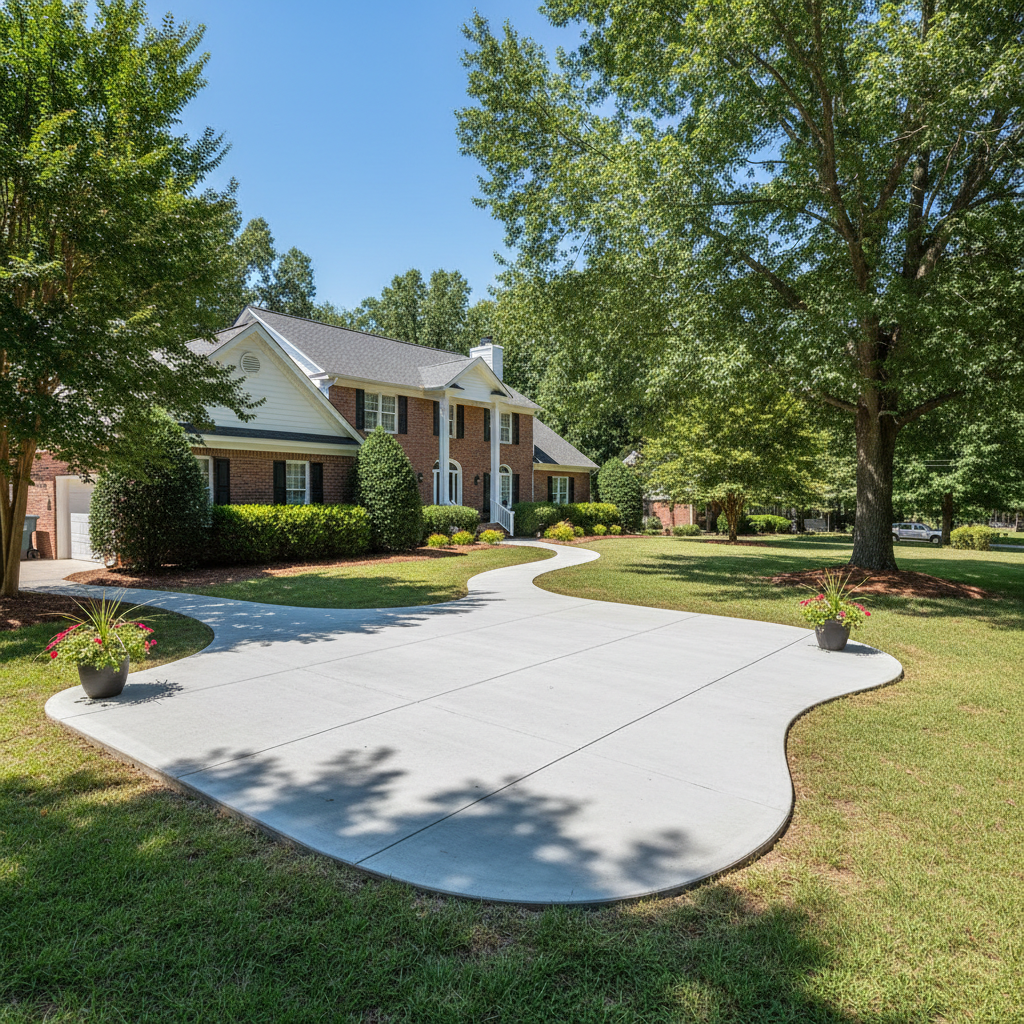
So, you're thinking about getting some concrete work done around your place? Maybe a new patio, a wider driveway, or some sturdy walkways. That's a great idea! But before we dive in, let's talk about something super important for us here in Athens, AL: the weather. It really dictates how well your concrete sets, cures, and, ultimately, how long it'll actually last.
When's the Best Time to Pour Concrete in Athens?
Honestly, the ideal times to pour concrete around here are spring and fall. We're talking mild temperatures, usually somewhere between 50 and 80 degrees Fahrenheit. That's the sweet spot, you know, for concrete to cure properly. It lets the water in the mix evaporate at a nice, steady pace. That means less cracking and, in the end, a stronger, more durable slab.
In spring, we're typically looking at March, April, and early May. The ground's finally warming up after winter, but we haven't hit those brutal summer highs yet. Sure, you might get some pop-up showers, but a good contractor like us at Sunrise Concrete Solutions will always be watching the forecast and planning around it. We've poured plenty of jobs in the spring that have turned out fantastic, no kidding.
Fall is another prime window, usually from late September right through November. The scorching summer heat is finally behind us, and the air feels cooler and drier. This really helps keep the concrete from drying out too fast, which can cause surface issues. Plus, you get to enjoy your new concrete through the holidays and into the next year without worrying about extreme weather. Pretty neat, huh?
Why Should You Probably Skip Summer and Winter for Concrete Pours?
It's not that we *can't* pour concrete in the dead of summer or the heart of winter. It just makes everything a lot harder and, frankly, riskier. And when you're putting money into something as permanent as concrete, you really want the best conditions possible.
Our Athens summers are brutal, right? Those 90-degree days with high humidity are just tough on concrete. When it's too hot, the water in the mix evaporates way too quickly. This can lead to what we call 'flash setting' – the concrete starts to harden before we've even had a chance to properly finish it. You end up with a weaker surface, more prone to cracking, and it just doesn't look as good. We can take precautions, sure, like adding retarders to the mix or cooling the aggregates, but it's always an uphill battle.
Winter, on the other hand, brings its own set of headaches. Freezing temperatures are the absolute enemy of freshly poured concrete. If the water in the mix freezes before the concrete has gained enough strength, it expands and can cause serious damage – things like spalling or cracking. We're talking about structural integrity here, folks. While we don't get super harsh winters every single year, those cold snaps below freezing are a real concern. We can use heated blankets or special admixtures, but again, it's all about minimizing risk and getting the best outcome for your money.
Protecting Your Concrete Investment Year-Round
Once your concrete is poured and cured, your job isn't quite over. You've made an investment, and you want it to last, right? Here's what I tell folks in Athens to keep their concrete looking sharp and performing well:
- Seal it Up: This is probably the most important thing you can do. A good quality sealer protects your concrete from moisture, stains, and even those pesky UV rays. I recommend resealing every 2-5 years, depending on how much traffic it gets and how much sun it sees. Think of it like sunscreen for your concrete.
- Clean Regularly: Don't let dirt, leaves, or other debris just sit on your concrete for too long. They can trap moisture and cause stains. A simple sweep and an occasional pressure wash (on a low setting, mind you) will do wonders.
- Watch for Water: Make sure water drains away from your concrete slabs, not towards them. Poor drainage can lead to erosion under the slab, causing it to crack or settle. This is especially true for homes built on our local red clay soils – water pooling can really mess things up.
- Deal with Spills Fast: Oil, grease, rust, or anything acidic should be cleaned up as quickly as possible. The longer they sit, the harder they are to remove and the more likely they are to stain permanently.
- Be Careful with De-icers: If we get ice, try to avoid using rock salt or de-icing chemicals that contain ammonium nitrates or sulfates. These can really damage concrete surfaces over time. Sand is a much safer bet for traction.
- Mind the Weight: Don't overload your concrete with excessive weight, especially if it's not designed for it. Parking heavy RVs or equipment on a standard residential driveway can cause cracks.
Look, concrete is tough, but it's not indestructible. A little bit of care goes a long, long way in extending its life and keeping it looking great. If you're planning a concrete project or just have questions about maintaining what you've got, give us a call at Sunrise Concrete Solutions. We're always happy to share our experience and help you make the right choices for your Athens home.